
How it works
Auction to driveway
Buying a car from Japan takes a few weeks and a fair bit of paperwork. Here is every step, what happens in it and who does it — our export partner in Japan, or us in the UK.
- Step 01 In Japan Search, auction sheet, inspection where available, bid.
- Step 02 In transit Export paperwork and sea shipping to the UK.
- Step 03 UK preparation Customs, VAT, approval or MOT, registration, plates.
- Step 04 Ready for handover Delivered to you, or collected by you.
Step by step
Six steps
-
Before the auction
Step 1: Tell us what you want
Start with your budget, how you’ll use the car and your must-haves: seven seats, a tow bar, a particular colour, low mileage, a hybrid. If you have a model in mind, tell us; if not, we’ll suggest a few that fit.
We’ll give you an estimate of the total cost to land and register a typical example in the UK, so you can see early whether the numbers work.
-
In Japan
Step 2: We search and shortlist
We search Japanese dealer auctions for cars that match your brief. Each week thousands of cars pass through these auctions, and each one has an auction sheet: an inspector’s report on its condition.
We send you a shortlist with the auction sheets translated into plain English, the auction photos and our honest view of each car, including anything we don’t like the look of.
-
In Japan
Step 3: Inspection and your maximum bid
Where it’s available, our export partner in Japan can look at a car before the auction and send extra photos or video. This isn’t possible for every car or every auction, and we’ll tell you when it isn’t.
You decide the most you’re willing to bid, and you pay a deposit before we bid. We’ll explain the deposit amount, what it covers and what happens to it if we don’t win the car — in writing, before you pay anything.
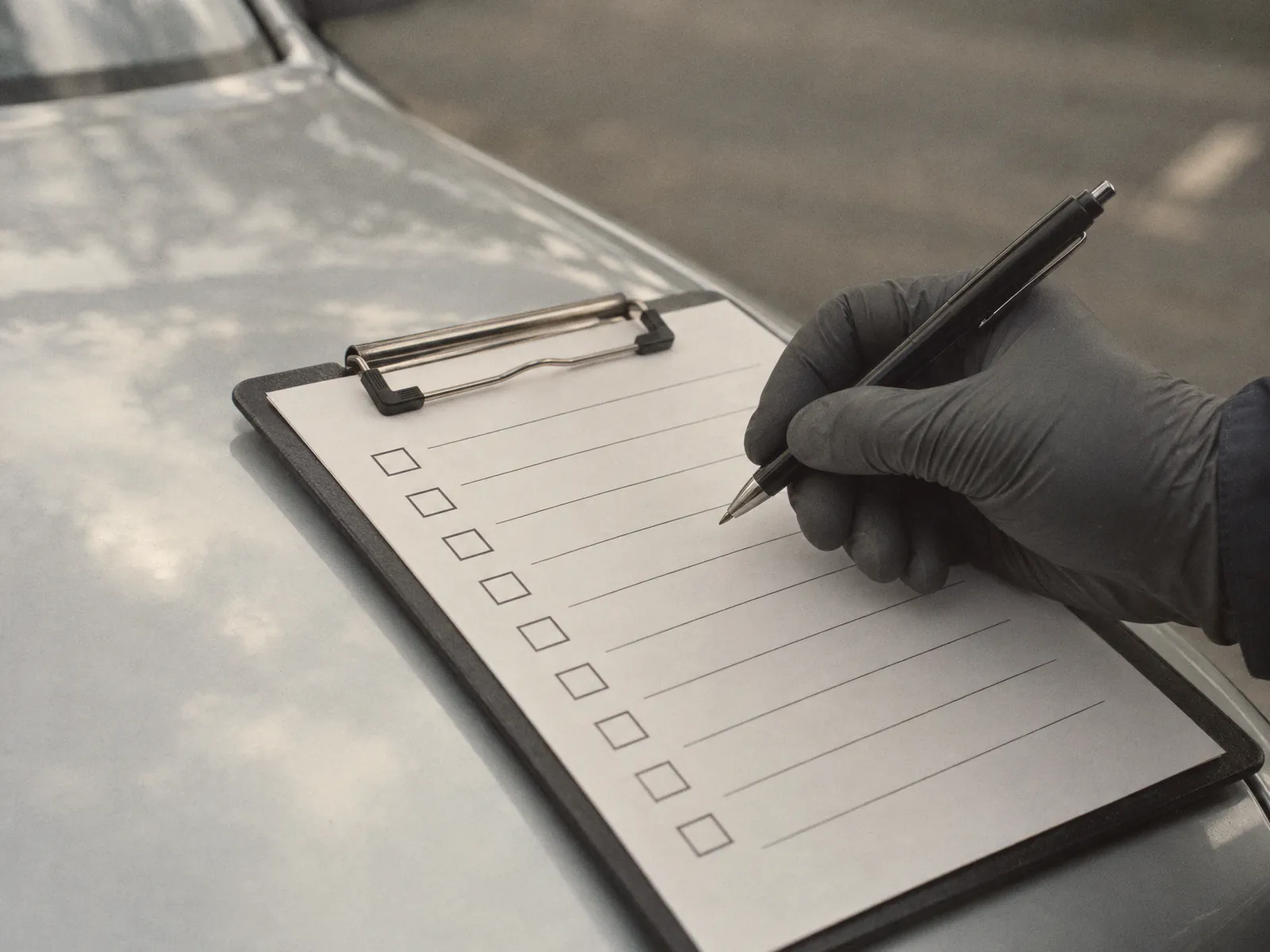
Checking a car against its auction sheet. Illustrative image -
In transit
Step 4: Win, export and shipping
If we win, our export partner pays the auction, moves the car to the port and prepares the export paperwork. The car then travels to the UK by sea.
Shipping typically takes several weeks, and schedules depend on sailings and ports. We won’t promise an exact date, but we’ll keep you updated as the car moves.
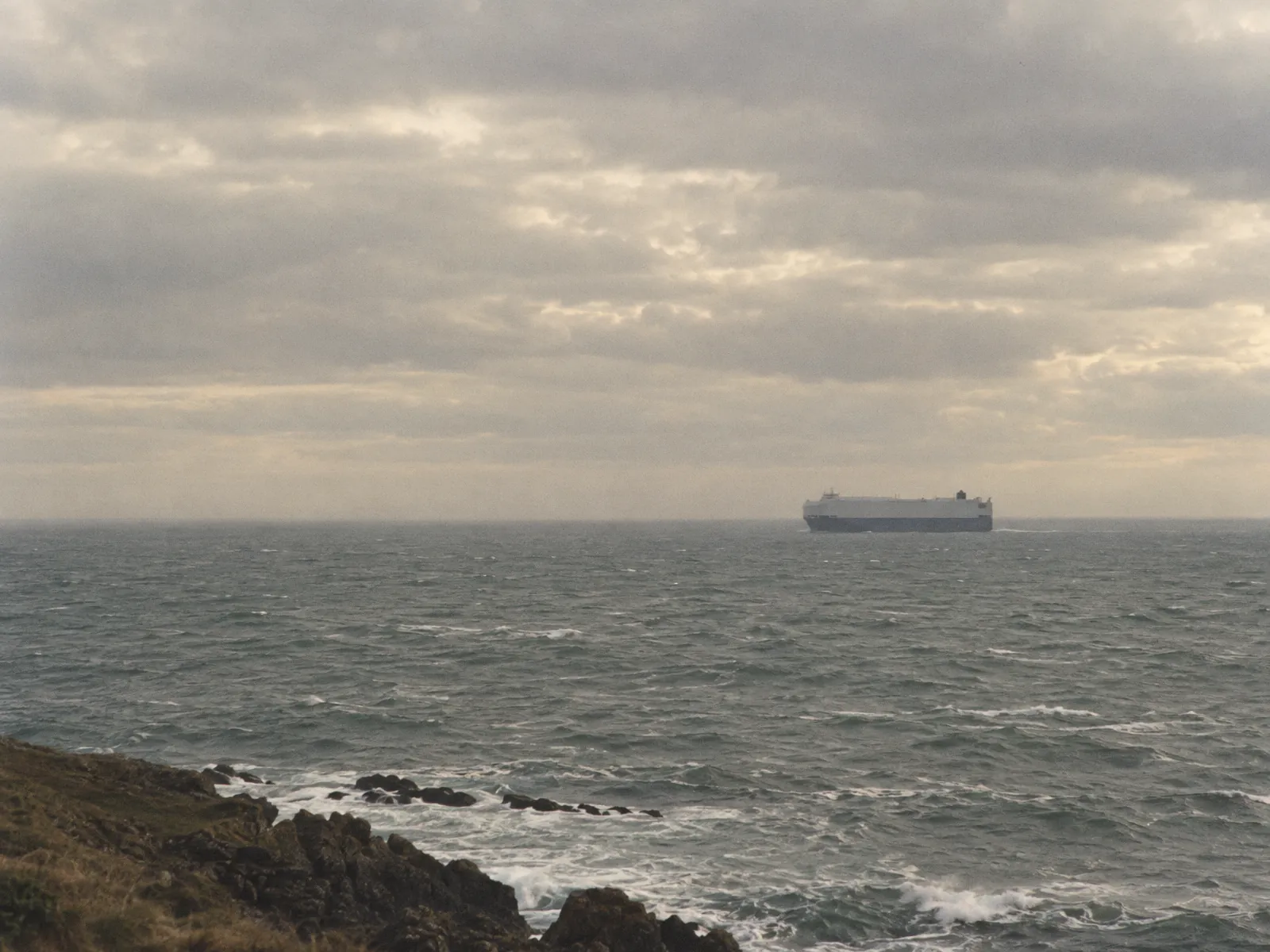
Sea freight to the UK. Illustrative image -
UK preparation
Step 5: Customs, approval and registration
When the car lands, we handle UK customs clearance and pay the import VAT and any duty. Then it needs to be made road-legal: a vehicle approval test for newer cars, or an MOT for older ones, with any changes needed to pass (such as an mph speedometer or a rear fog light).
Finally we register the car with the DVLA and fit UK number plates.
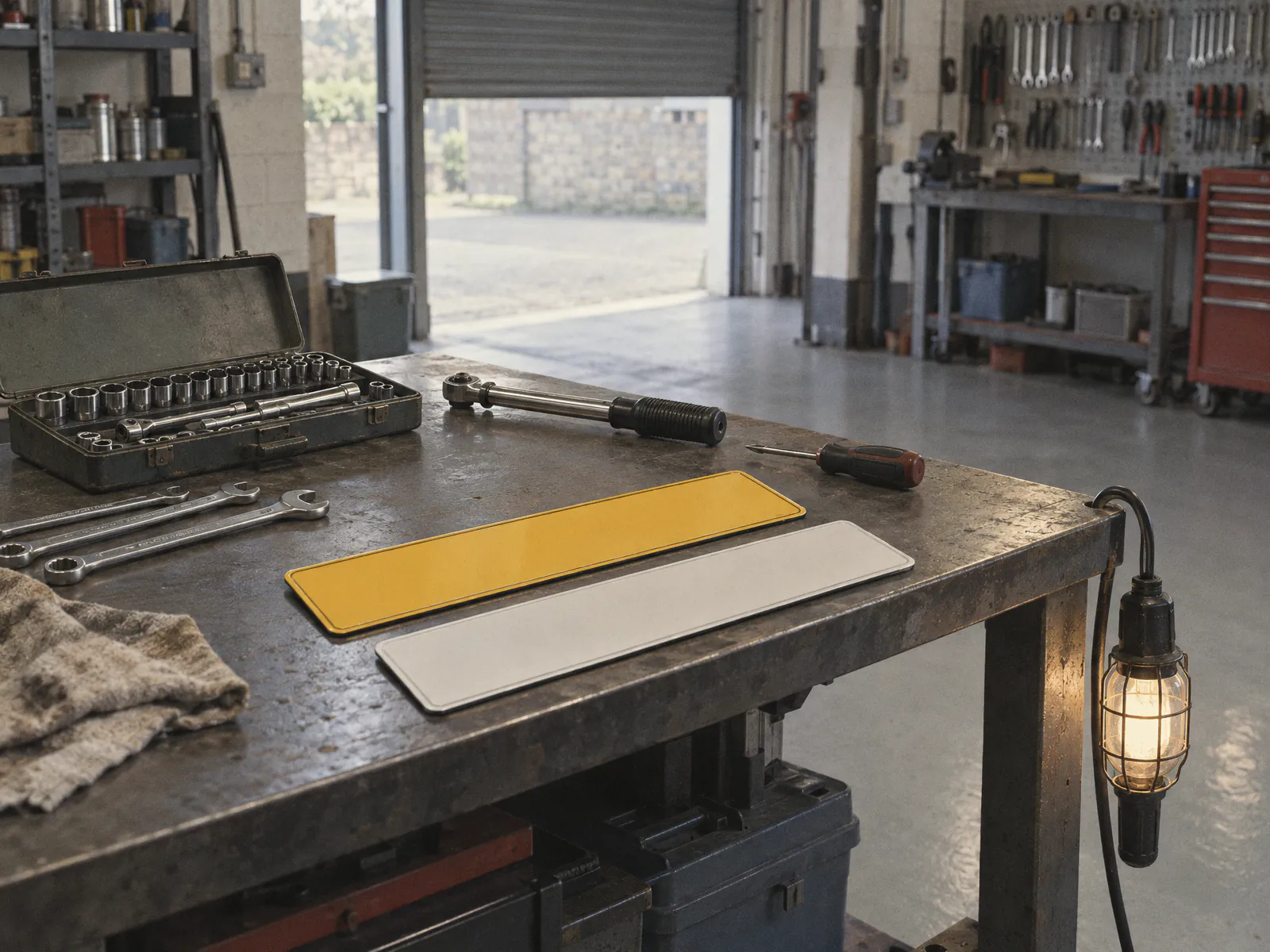
UK preparation: modifications, plates and paperwork. Illustrative image -
Ready for handover
Step 6: Delivery or collection
Once it’s registered, the car is ready. We’ll arrange delivery to you or a time for you to collect it, and go through the paperwork and anything you should know about the car.

Handover. Illustrative image
Reading a Japanese car
Auction grades
Every car at a Japanese dealer auction is inspected and given an overall grade. It’s a quick guide to condition, not a guarantee — and exact definitions vary a little between auctions, so we explain each sheet rather than relying on the number alone.
| Grade | What it usually means |
|---|---|
| S or 6 | As new. Usually very recent, very low mileage. |
| 5 | Excellent. Very low mileage and minimal signs of use. |
| 4.5 | Very good. Light marks only, generally lower mileage. |
| 4 | Good. Some small marks or minor repairs; a common choice for value. |
| 3.5 | Average. Visible wear for its age, may need some cosmetic work. Often higher mileage. |
| 3 and below | Rougher condition or significant issues. We’d only suggest one with a clear reason. |
| R or RA | Accident-repaired: the car has had a repair to its structure. RA usually means a more minor repair. Not automatically a bad car, but priced lower and needs careful checking. |
Our price guide is based on cars graded 3.5 and above. Interior condition is graded separately, usually with a letter from A (excellent) to E (poor).
The auction sheet
The auction sheet is the inspector’s report. Alongside the grades it records the mileage, the equipment and a diagram of the body marked with codes for every scratch, dent and repair the inspector found, plus handwritten notes in Japanese.
We translate the whole sheet, including the notes, and tell you what we think matters. Some common body codes:
- A1–A3
- Scratches, from small to large
- U1–U3
- Dents
- W1–W3
- Wave or repair marks in the paint
- S / C
- Rust / corrosion
- X / XX
- Panel needs replacing / has been replaced
- Y
- Cracks or holes
An auction sheet is an independent inspection at a point in time. It can miss things, which is why we also look at the photos and, where available, ask for an extra inspection.
What you pay for
The costs, laid out
The price of the car at auction is only part of the total. These are the costs that go into every estimate on this site, with the typical figures we currently use.
| Cost | Typical figure we use |
|---|---|
| The car’s winning bid at auction | Depends on the car |
| Exchange rate | £1 ≈ ¥208 (live (2026-10-02)) |
| Japan-side costs (auction fees, inland transport, export paperwork) | ¥128,000 (≈ £614) |
| Sea shipping to the UK | £1,800 |
| UK port handling and clearance | £450 |
| Import duty (with proof of Japanese origin) | 0% (10% without) |
| Import VAT | 20% |
| Vehicle approval test and modifications (under 10 years old) | £900 |
| MOT and modifications (older vehicles) | £450 |
| First registration fee | £55 |
| Number plates and preparation | £250 |
| Contingency | 5% |
| Historic vehicles (30+ years, unmodified) | 0% duty, 5% VAT — conditions apply |
| Our service fee | Agreed in writing before you commit |
Estimate or quote?
An estimate is what you see on this site and in our first reply: a typical total cost for a model, based on recent auction results and the figures in the table. Real cars vary by grade, mileage, auction and timing, and exchange rates move.
A quote comes later, for a specific car you want us to bid on. It sets out each cost and our fee in writing, and you agree it before you pay a deposit.
Import VAT is charged on the car’s value plus shipping and any duty. Import duty is 0% when the car qualifies as originating in Japan and we have the proof of origin; otherwise it’s 10%. We’ll tell you which applies before you commit.
Questions
Still wondering?
Insurance, servicing, right-hand drive, what happens if something isn’t right — we’ve answered the common ones.